Featured
Table of Contents
The size of therapy is fairly variable, and the last decision relating to the length of treatment rests jointly with the client and therapist. Some people stay for as brief a time as 2 or three sessions, while others remain in therapy for two or 3 years or even more as they remain to seek objectives and practice abilities.

No matter of the length of therapy, we strongly suggest that the last session be planned, so that the therapist and patient can sum up the job that has actually been performed in therapy and state "goodbye." This resolution is related to much better long-lasting result for the patient than a sudden termination. Patients might pick to have "booster sessions" after normal treatment sessions have ended.
The person can ask for a follow-up session numerous months or a year after once a week sessions have finished. These booster sessions function as a type of "tune-up" to aid individuals remain on track and proceed to make use of the skills they have found out in therapy, therefore maximizing their long-lasting benefit from treatment.
All informed, on average, the client invests regarding an hour at the Facility for Cognitive Therapy each time they come for a session. Depending on the schedules of the client and therapist, sessions can be held on the exact same day and time each week, or the session times might differ.
Convenient Services for the Washington, DC Community
Alternatively, if an individual really feels that it is time to reduce the sessions, she or he might choose to arrange sessions every other week. Furthermore, some people select to meet much less regularly for financial factors. The Facility for Cognitive Treatment permits for this arrangement so individuals can receive treatment without excessive economic stress.
The goal of the intake analysis is to accumulate info to offer to the therapist in a reliable means. The meeting is performed by a clinician-in-training, that is monitored by an accredited clinician. People need to expect to invest between 2 to 3 hours in the meeting, with at the very least one break.
Decisions can be created people individually. Does this person need customized focus for such problems as suicidality or compound misuse? The person can ask an elderly clinician any type of concerns he or she might have, and can determine if the Center for Cognitive Therapy is an excellent suitable for him or her.
Depressive Symptoms Treatment for Deep Wellness
The director, Cory F. Newman, PhD, in conjunction with the elderly medical professional who consults with the individual throughout the intake assessment, determines which Facility for Cognitive Treatment therapist will certainly treat which patient. This decision is based partially on person request (to see a women specialist, as an example, or a specialist who specializes in a certain location).
The specialists at the Center for Cognitive Therapy are well trained throughout a variety of areas, and thus have the ability to see a variety of clients. Each specialist concentrates on developing a sense of common acceptance, regard, and teamwork with their clients. Our therapists are prepared to work on any problems that might create pain in the therapeutic connection.
Newman is readily available to review this matter, though it is our plan to call for the individual and therapist to have at the very least one session to try to fix the problem before transfers are made. The most important, positive changes that you will make in your life will take place in your daily experiences outside of your specialist's workplace.
The Psychology Behind Codependency Therapy
These assignments will show you exactly how to use the concepts and skills you've discovered in therapy between sessions. This process will allow you to become your very own therapist when your work with your cognitive specialist is complete.
Research may aid your progression in therapy if you provide it a try. It is your specialist's responsibility to produce an environment in which you will certainly feel free to check out and discover and in which you will certainly not have to worry about being evaluated.
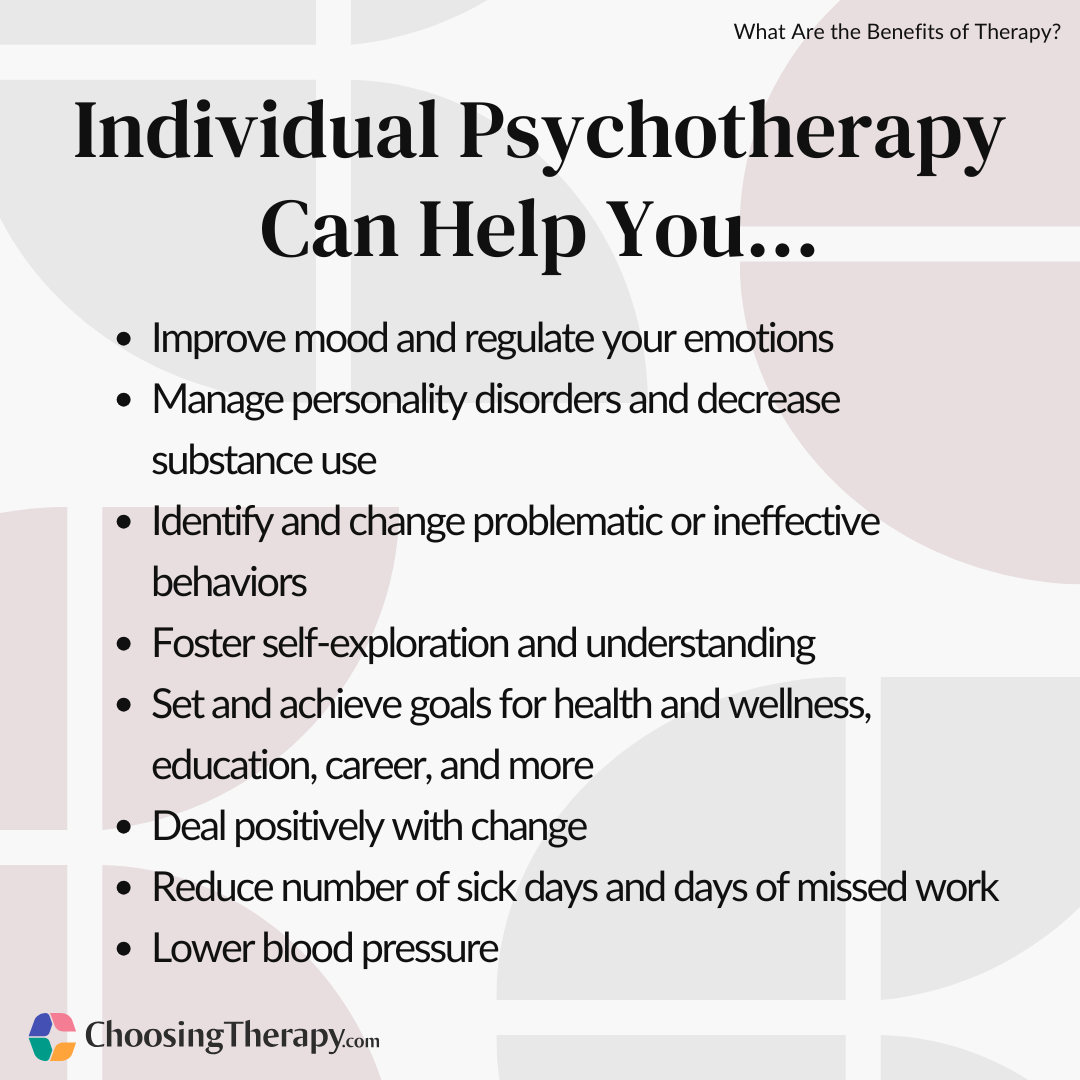
Several people at the Facility for Cognitive Treatment are on medicines, such as antidepressants, mood stabilizers, and so on. Some research recommends that a mix of cognitive treatment and the correct medicines can be really beneficial. If you wish to start medications in addition to cognitive treatment, we can assist prepare a clinical examination at the Outpatient Facility of the Division of Psychiatry.
If you and your specialist think it is called for, you can discuss the family member merits and downsides of adding drug to the therapy strategy. In many cases, we might require that an individual be well preserved on medicine before we begin treatment. We do not presently supply couples counseling or household treatment.
Personalized Care for Special Unique Journey
Although many of our people more than the age of 18, the Center occasionally treats older adolescents on a case-by-case basis. All events agree on what information will certainly be shown the moms and dad(s) and what details will be confidential. Frequently, nonetheless, we will make a reference to a therapist who specializes in dealing with kids or teenagers.
If you are phoning call to attempt to organize a training course of treatment for somebody over the age of 18, we will certainly be delighted to pay attention to your worries, but you will certainly not have the ability to make a visit for anybody besides yourself. The client himself or herself have to call to be scheduled for an appointment.

Latest Posts
Conscious Awareness in Healing Ancestral Wounds
Adolescent Treatment: Managing Teenage Growth
Widespread Inaccurate Views About Mental Health Treatment